The Ultimate Japan Travel Guide (Updated 2026): A Journey from Neon Cities to Ancient Shrines
Japan is truly timeless, a place where ancient traditions and futuristic innovation fuse as if it were the most natural thing in the world. Imagine riding a high-speed bullet train through a neon-lit metropolis to visit a medieval Samurai castle in the same afternoon; this seamless blend of old and new defines the Japanese experience. It is no surprise that this “intoxicating” destination remains one of the world’s top travel hubs, attracting over 37 million visitors annually. Travelers are consistently amazed by the nation’s world-renowned cuisine, majestic temples, and meticulous hospitality that “blows everyone away” and leaves them falling in love with the culture.
Whether you are planning to wander the bamboo forests of Kyoto or explore the electric districts of Tokyo, this Japan Travel Guide 2026 serves as your ultimate resource. Our guide features essential updated travel information for 2026, including the latest e-visa processes and transport tips, ensuring your journey through the Land of the Rising Sun is as smooth as possible. Get ready for a transformative sojourn that perfectly balances deep-rooted heritage with cutting-edge technology.
Table of Contents
Common Mistakes People Make
Navigating a culture as distinct as Japan’s can be tricky for first-time visitors. To ensure a respectful and smooth trip, avoid these common pitfalls:
- Tipping: This is perhaps the most frequent error; tipping is uncommon in Japan and can even be considered rude or confusing to staff.
- Indoor Footwear: Always remember to remove your shoes when entering a private home, certain traditional restaurants, or temple interiors.
- Public Etiquette: Avoid blowing your nose in public or talking on your phone while riding public transportation, as both are considered bad manners.
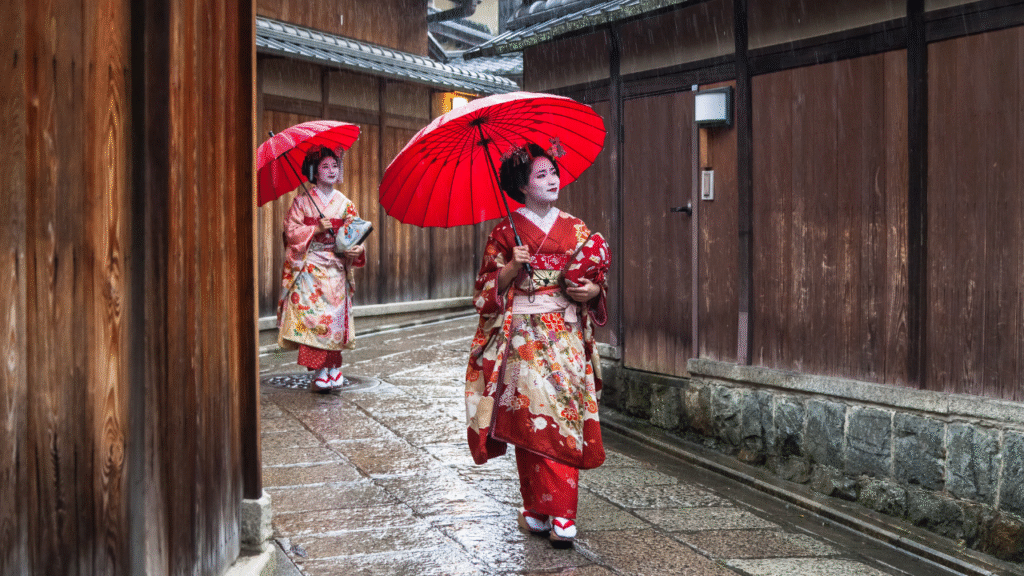
- Geisha Interactions: Never follow or harass Geisha or Maiko for selfies in districts like Gion; photography is often strictly forbidden in these narrow alleys to protect their privacy.
- Cash Assumptions: While major cities accept cards, many travelers fail to carry enough cash, which is still required for local markets, small shops, and temple entrance fees.
- Train Manners: Be mindful of women-only cars during rush hour. These are marked with pink signs and are strictly for women to prevent groping on crowded trains.
- Dining Habits: It is considered impolite to leave leftovers on your plate or to use your hand towel (oshibori) to wipe your face or the table.
Planning Your Trip: Logistics & Essential Facts
Visa Requirements and Entry
In 2026, entering the Land of the Rising Sun is straightforward for many international travelers. Citizens of 67 countries, including the United States, Canada, and most European nations, can enjoy visa-free access for up to 90 days for tourism or business purposes. For those from countries that do require a visa, Japan introduced an e-visa system in 2022 to streamline the process for nationals of several countries, such as Australia, the United Kingdom, and Saudi Arabia. If you need a traditional tourism visa, you can submit an application at your nearest Japanese embassy or consulate, with processing times typically ranging from 5 to 10 business days.
Suggested Daily Budgets
While Japan has a reputation for being expensive, it is quite manageable across various price points.
- Backpacker (~15,000 JPY/day): This budget allows for a stay in a hostel dorm, utilizing a rail pass, and eating affordable, filling meals like ramen, curry, or donburi.
- Midrange (~26,000 JPY/day): At this level, you can stay in business hotels, dine out at sit-down restaurants frequently, enjoy evening drinks, and participate in organized activities like food tours.
- Upscale (75,000+ JPY/day): This is the entry point for luxury travel, providing access to world-class hotels, high-end private tours, and Michelin-starred dining experiences.
Free Japan Travel Starter Kit (PDF)
Download this free guide to plan your Japan trip easily including a 10-day itinerary, budgeting tips, and a practical packing checklist.
- 10 day itinerary
- JR Pass tips
- Budget checklist
- Packing list
The Essentials: Currency, Power, and Cash
The official currency is the Japanese Yen (JPY). While major cities like Tokyo and Osaka are increasingly card-friendly, carrying cash is absolutely essential for several reasons. You will frequently need physical currency for temple and shrine entrance fees, small local markets, and when exploring more remote, rural destinations. For electronics, Japan uses Type A and B power plugs with a standard voltage of 100V. It is highly recommended to bring a universal adapter with surge protection, especially for high-power devices like hairdryers or styling tools.
When to Go: A Seasonal Breakdown
Japan is a year-round destination where temperature and weather vary drastically across the country, offering unique experiences in every season.
Spring (March–May)
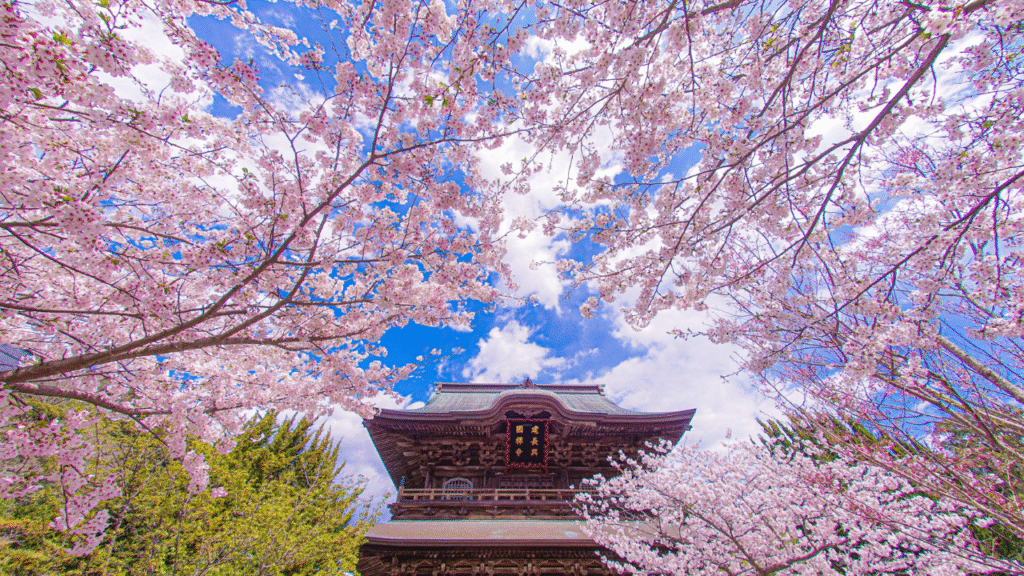
This is widely considered the most popular time to visit Japan due to the world-famous cherry blossom (sakura) season. During these months, the weather is mild and perfect for extensive sightseeing in cities like Tokyo and Kyoto. Travel Tip: Sakura blossoms usually peak between late March and early April; join the locals for hanami (flower-viewing picnics) in iconic spots like Tokyo’s Ueno Park or Moerenuma Park in Sapporo.
Autumn (September–November)
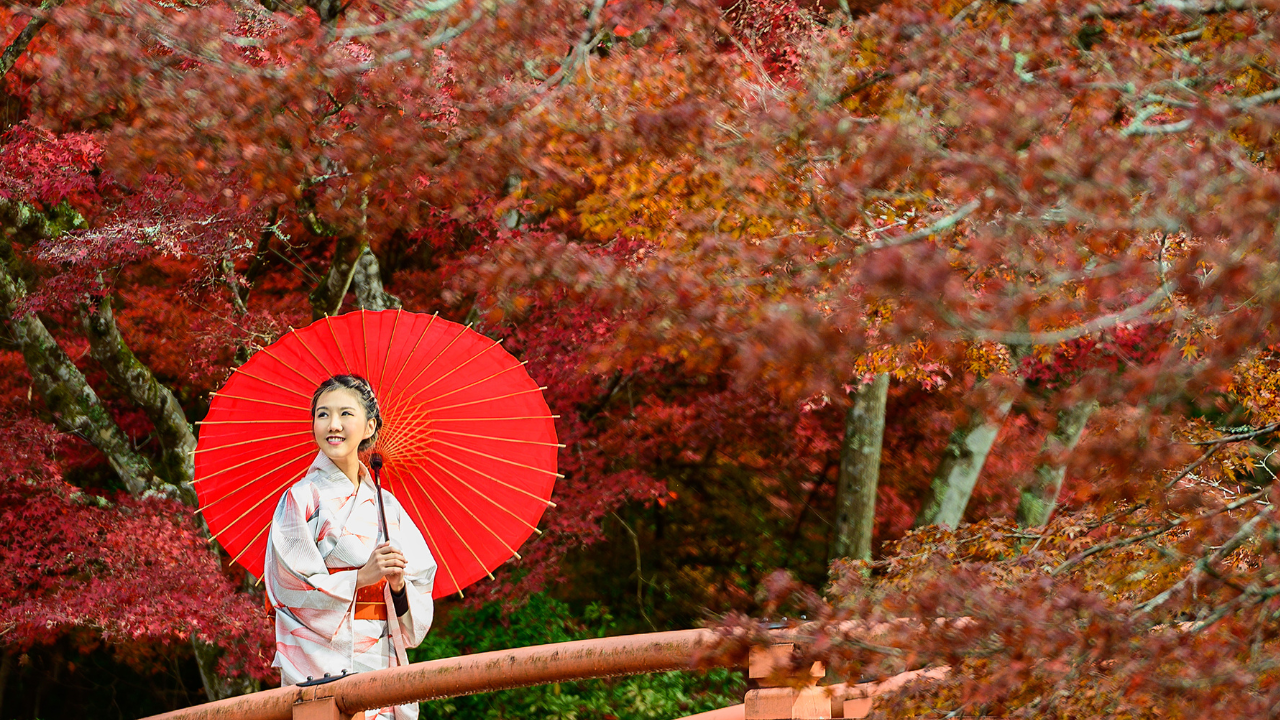
Autumn is favored by many travelers for its comfortable temperatures and brilliant fall foliage (koyo). Historic destinations such as Kyoto, Nikko, and Nara transform into breathtaking landscapes of vibrant reds and golds. Travel Tip: This is an ideal time for cultural exploration, such as the Shikoku temple pilgrimage, as the oppressive summer humidity fades into crisp, clear days.
Winter (December–February)
Winter is a paradise for winter sports, offering world-class skiing and snowboarding in Hokkaido at premier resorts like Niseko, Furano, and Sahoro. It is also the optimal season for clear views of Mount Fuji, as the mountain is most visible during the clear days of December. Travel Tip: Plan a trip in February to witness the massive ice sculptures at the Sapporo Snow Festival, or travel in mid-January to find the best budget deals on airfare and hotels.
Summer (June–August)
Summer is the season of traditional Matsuri festivals, such as Kyoto’s month-long Gion Matsuri and the massive Aomori Nebuta Festival. This is also the only time of year the official climbing season for Mount Fuji is open, typically from early July to mid-September. Travel Tip: To escape the intense humidity and heat of the cities, head to the Japanese Alps for cooler hiking temperatures.
Mastering Transportation: The Rail Pass and Beyond
Mastering Japan’s transportation system is the absolute key to a stress-free journey through the Land of the Rising Sun. The most iconic way to travel is via the Shinkansen (bullet train), which is famously fast, punctual, and comfortable. For international tourists, the Japan Rail (JR) Pass is an indispensable tool. It offers unlimited travel on JR lines, ferries, and buses for 7, 14, or 21 consecutive days. Because individual bullet train tickets can cost hundreds of dollars, this pass effectively turns premium travel into a budget-friendly experience. Just remember that you must generally purchase your JR Pass outside of Japan before your trip begins.
Travelers can book JR Passes and train tickets in advance here.
If you are traveling on a tighter budget and have more time than money, intercity buses are a fantastic alternative. While a trip from Tokyo to Osaka takes roughly 10 hours by bus compared to just 2 hours by train, the cost is significantly lower. Willer Express is a top choice for travelers, offering reliable services and multi-day passes that can help you see the country for a fraction of the rail price.
For covering long distances rapidly such as traveling from Tokyo to the northern wilds of Hokkaido consider domestic low-cost carriers. Airlines like Peach Aviation and Jetstar Japan frequently offer competitive fares between 6,000 and 14,000 JPY, which can sometimes be cheaper than a train ticket.
For your daily adventures within major cities, your best friend is a rechargeable IC card, such as Suica or Pasmo. These cards provide a seamless “tap-and-go” experience on subways, local buses, and even for small purchases at convenience stores. They eliminate the hassle of navigating complex ticket machines, making local transit a breeze for any first-time visitor.

Top Destinations & Itineraries in Japan
Japan is a mesmerizing fusion of ancient customs and modern innovations that “blows everyone away” and captivates all who visit. To truly experience the “Land of the Rising Sun,” planning an itinerary that balances neon-lit streets with tranquil Zen gardens is essential.
The Golden Route (10–14 Days)
For first-time travelers, the Golden Route is the definitive “greatest hits” tour of the country. This 10–14 day journey typically begins in the high-tech metropolis of Tokyo before heading to the mountainous landscapes of Hakone for awe-inspiring views of Mount Fuji and Lake Kawaguchiko. From there, you travel via bullet train to the cultural heart of Kyoto and conclude your sojourn in the vibrant, energetic streets of Osaka. This route perfectly demonstrates Japan’s unique ability to utilize the old alongside the new.
City Highlights: Where History Meets the Future
Every Japanese city offers a distinct atmosphere that leaves travelers in love with the architecture and the culture.
- Tokyo: Often voted the world’s #1 city, Tokyo is a fast-paced, futuristic metropolis with a little bit of everything. You can walk the iconic Shibuya Crossing, immerse yourself in the “otaku” anime and manga universe of Akihabara, and admire the historic Imperial Palace, which serves as the home to the Emperor and features beautiful surrounding gardens.
- Kyoto: Known as the cultural center of Japan, Kyoto is home to serene Zen temples and traditional Shinto shrines. An unmissable experience includes wandering the enchanting Arashiyama Bamboo Grove and exploring the historic Gion district, where fascinated visitors may spot a geisha in traditional dress.
- Osaka: Japan’s financial heart is also its most legendary foodie hub. Travelers should wander through Dotonbori to sample mouthwatering street food like okonomiyaki and visit the impressive Osaka Castle, which offers an insightful museum and picturesque views of the cityscape.
If you’re planning your trip, you can compare the best hotel deals in Japan here.
Regional Destinations: Exploring the Archipelago
Beyond the main cities, Japan’s diverse regions offer varied climates and incredible natural magnetism.
- Hokkaido: The northern prefecture is a wintery paradise famous for world-class ski resorts, snowy slopes, and the rugged, beautiful landscapes of Daisetsuzan National Park.
Explore Tokyo tours and experiences here.
- Shikoku: This island offers a transformative journey of faith along the 88 Temple Pilgrimage, an ancient 1,200-kilometer route that circles the island and has roots dating back over a thousand years.
Discover Kyoto temple tours and cultural experiences.
- Okinawa: Considered the “Hawaii of Japan,” this southern prefecture offers a laid-back, subtropical lifestyle with stunning tropical beaches and exceptional diving opportunities.
Book popular Osaka food tours here.
Cultural Deep Dive: Traditions & Etiquette in Japan
To truly immerse yourself in Japanese tradition, staying in a ryokan a traditional Japanese inn dating back over 1,200 years is an essential experience. These historic accommodations feature tatami floors, sliding doors, and traditional futon bedding. Guests are provided with a yukata (a light cotton robe) and typically enjoy multi-course local meals included with their stay.
A core part of the ryokan experience is soaking in an onsen, or natural hot spring bath. These communal baths are separated by gender, and it is traditional to bathe completely naked. Important note: Many onsens strictly prohibit guests with tattoos or require them to be fully covered, although this is slowly changing in some tourist areas. Always check the specific rules of the bathhouse before entering, as nudity has been a part of Japanese culture for centuries.
Navigating social interactions in Japan requires understanding their meticulous etiquette. Bowing is the standard greeting, and learning the appropriate depth for different situations shows great respect. One of the most important rules for travelers is to remove your shoes when entering a home, a ryokan, or certain traditional restaurants.
Finally, Japan has a firm no-tipping culture. Leaving a tip is uncommon and can be seen as confusing; the Japanese believe that high-quality service should be provided as a standard. Instead of tipping, express your gratitude by saying “itadakimasu” before eating and “gochisousama” after you finish your meal. Additionally, use the word “sumimasen” (excuse me/sorry) to catch a waiter’s attention or to offer a polite apology.
Traveling Japan for Different Types of Travelers
Japan is a destination that “blows everyone away” by offering inclusive experiences for every type of visitor. Whether you are exploring alone or seeking specific communities, the Land of the Rising Sun provides a welcoming and efficient environment.
Solo female travelers will find Japan to be one of the safest countries globally, characterized by extremely low violent crime rates. While common sense is still recommended, the country is considered an excellent choice for women seeking peace of mind. Travelers should, however, be mindful of “groping” issues on packed public transit during peak times. To ensure comfort and safety, many train lines provide women-only cars during rush hour, which are easily identified by pink boarding signs.
For the LGBTQ+ community, Tokyo is a standout destination with a growing culture of acceptance. The Ni-chome district in Shinjuku serves as the vibrant heart of the city’s “gayborhood,” hosting numerous welcoming establishments, including the popular lesbian bar Goldfinger. Additionally, travelers with diverse body types often find Japan to be a refreshing destination; plus-sized visitors have reported feeling treated with immense respect and kindness, finding the environment free from the stigmas they initially feared.
Dietary needs are also increasingly being accommodated. While roughly 9% of the population identifies as vegetarian, vegan and vegetarian dining options are steadily rising due to tourism and a deep appreciation for natural foods. However, traditional eateries may unknowingly use hidden fish-based broths in seemingly meatless dishes. To avoid misunderstandings, travelers should carry the written phrase: “Watashi wa niku to sakana wo tabemasen” (I do not eat meat or fish). By combining this with dedicated apps to find specialized restaurants, you can ensure a delicious, worry-free sojourn.
Essential Travel Apps for Japan in 2026
Navigating Japan’s intricate transit systems and overcoming language barriers is made seamless with the right digital tools. For reliable general navigation and monitoring real-time traffic conditions, Google Maps is an essential staple. To master the complex rail network, Japan Travel by NAVITIME is indispensable, as it provides detailed train routes, timetables, station information, and helpful offline maps.
Before arriving in Japan, many travelers buy an affordable eSIM to stay connected.
Get a Japan eSIM before landing to avoid expensive roaming.
Bridging the communication gap is equally vital, especially since English is not always widely spoken. Google Translate and Yomiwa are crucial for translating text in real-time, helping you decipher language barriers and read Japanese menus with ease. Finally, safety remains a top priority for any traveler; the multilingual J-ALERT Notification App is a must-have for receiving critical emergency alerts regarding major security events, earthquakes, or other unexpected disasters. By keeping these apps at your fingertips, you can ensure you stay connected, informed, and safe throughout your 2026 sojourn.
Japan on a Budget: Smart Money-Saving Tips
Japan’s reputation as an expensive destination is often overstated; with a few insider strategies, you can experience the best of the country without breaking the bank.
Eat Like a Local for Less
One of the most effective ways to save is by utilizing Japan’s world-class convenience stores and supermarkets:
- Convenience Store Gems: Chains like 7-Eleven and FamilyMart (known locally as konbini) are staples for budget travelers. They offer high-quality, pre-made meals such as bento boxes, ramen, and onigiri that are both delicious and significantly cheaper than sit-down restaurants.
- The 8 PM Discount: For the ultimate dinner hack, head to local supermarkets after 8 PM. By law, stores must clear out fresh inventory, which means you can find ready-made meals and fresh sushi sets discounted by up to 50%.
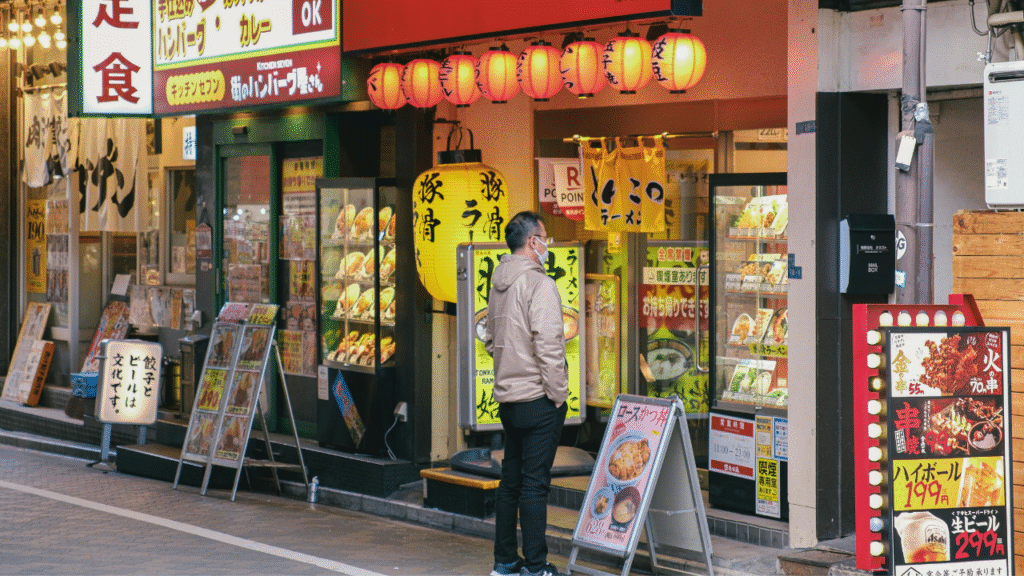
Discover Free Cultural Treasures
You don’t need a large budget to soak in Japanese culture. Many of the country’s most iconic experiences cost absolutely nothing:
- Shrines and Temples: While some major sites charge a small fee, countless neighborhood shrines, temples, and historic districts are free to visit.
- Parks and Gardens: Beautiful public spaces like Tokyo’s Ueno Park or the Imperial East Gardens provide a respite from the city with stunning scenery and historic architecture at no cost.
- Historic Districts: Simply wandering through preserved neighborhoods allows you to immerse yourself in the culture without spending a Yen.
Japan is more than just a destination; it is an “intoxicating” experience that seamlessly fuses ancient traditions with futuristic life. At the heart of this journey is the profound aesthetic of Wabi-Sabi, which finds elegance in the withered, the old, and the imperfect. Traveling through this land of contradictions teaches you to embrace every unexpected moment, finding beauty in the fleeting whether it is a quiet morning at a Zen temple or the electric energy of a neon-lit street. Japan is a country that truly “blows everyone away,” leaving visitors forever changed by its meticulous hospitality and timeless charm.
Ready to plan your Japan adventure?
Download the free Japan Travel Starter Kit below.
FAQ: Japan Travel Guide 2026
When is the best time to visit Japan?
Late spring (March–May) and late autumn (September–November) are widely considered the best times to visit Japan thanks to mild weather and iconic scenery such as cherry blossoms and autumn foliage. Travelers looking to save money may find the lowest airfare and hotel prices between mid-January and March.
How much does it cost to travel to Japan?
According to this Japan Travel Guide 2026, a typical daily budget ranges from 15,000 JPY for backpackers to around 26,000 JPY for mid-range travelers. You can save money by eating at convenience stores like 7‑Eleven or buying discounted meals at supermarkets in the evening.
Is the Japan Rail (JR) Pass worth it?
The Japan Rail Pass can be very valuable if you plan to travel between multiple cities using Shinkansen bullet trains. It allows unlimited travel on many JR trains, but it usually must be purchased before arriving in Japan.
Do I need a visa to visit Japan in 2026?
Citizens from many countries, including the United States, Canada, and most European nations, can visit Japan visa-free for up to 90 days. Some travelers may also apply for a simplified e-visa system before departure.
Is Japan safe for solo female travelers?
Yes. Japan is widely considered one of the safest countries in the world with very low crime rates. Many train lines also provide women-only cars during rush hour to improve safety and comfort for female passengers.
What is the best way to get around Japanese cities?
While bullet trains are ideal for long-distance travel, local transportation is easiest with rechargeable IC cards like Suica or Pasmo. These tap-and-go cards work on subways, buses, and even many convenience stores.
What are essential Japan travel tips for first-time visitors?
One important tip is to always carry some cash because small temples, markets, and local shops may not accept cards. Visitors should also remember that tipping is not customary in Japan and can sometimes be considered rude.